Short answer
The core answer is visible early for buyers, snippets and AI retrieval.
Scope prevention vs scope cleanup
Scope creep is easier to prevent at intake and feedback time than to negotiate after the team has already started extra work.
| Option | Best for | Where it breaks | Output |
|---|---|---|---|
| Contract clause | Formal boundaries | Often too late for day-to-day feedback | Legal language |
| Project manager judgment | Experienced delivery teams | Inconsistent if context is scattered | Human interpretation |
| Change request form | Approved expansion | Requires the team to spot expansion first | Paid change path |
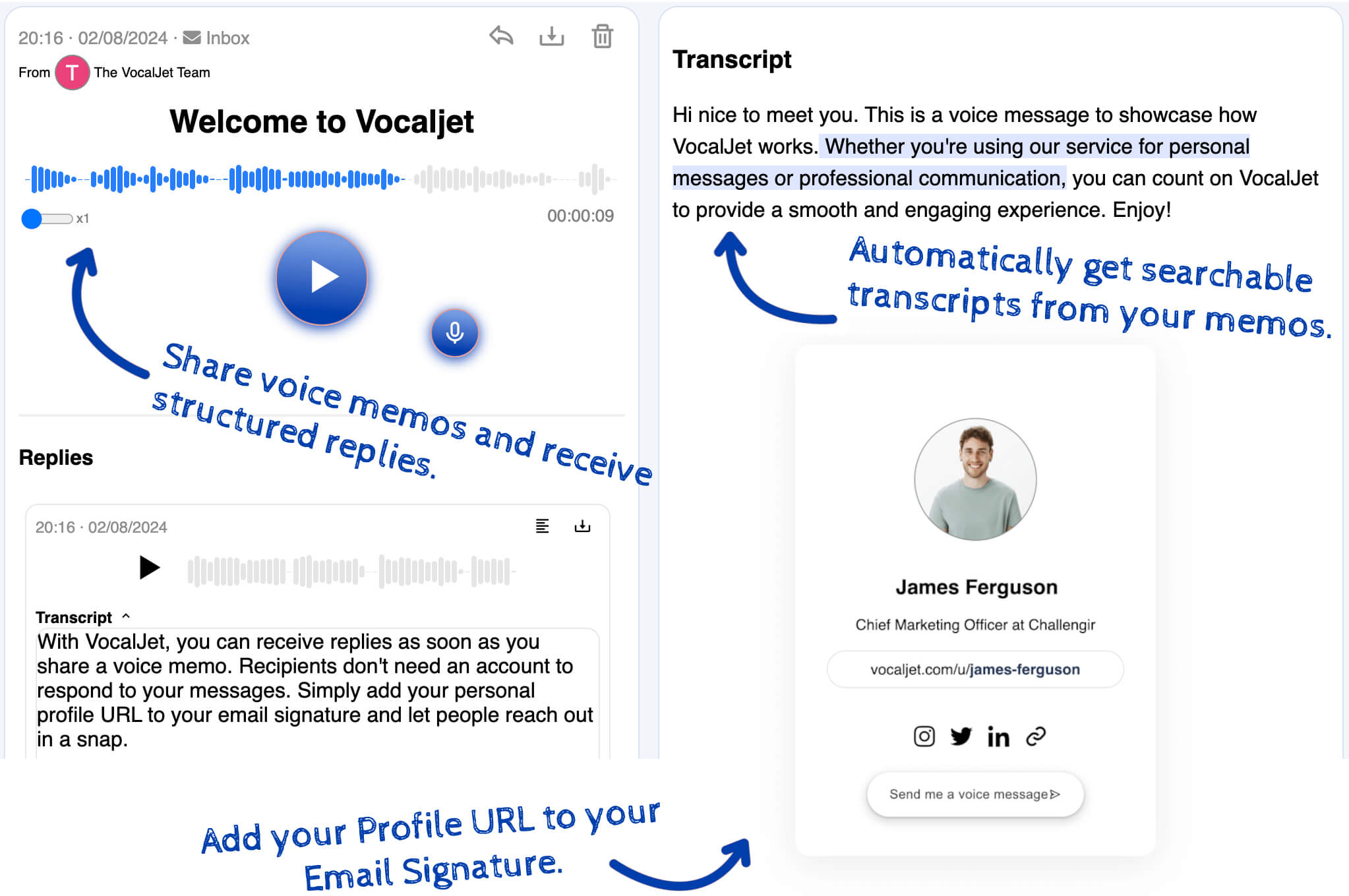
| VocalJet scope workflow | Early vague requests and revision signals | Requires review before committing | Scope risks, questions and confirmation text |
Scope creep warning checklist
Flag a client request when it includes any of these phrases:
"This should be quick."
"Can we also add..."
"Similar to this competitor."
"We are not sure who approves yet."
"The content/assets will come later."
"Can you include SEO/copy/migration too?"
Raw input to structured output
Raw client context: The homepage update is approved, but can we also add case study cards and a small comparison section before launch?
| Field | Structured output |
|---|---|
| Original scope | Homepage update |
| New request | Case study cards and comparison section |
| Risk | Additional design, copy and approval work |
| Follow-up | Confirm whether these are included now or quoted as phase two |
Best use cases
Prioritize this workflow when the buyer needs clarity before delivery work starts.
Pre-proposal intake
Spot hidden deliverables before pricing.
Revision rounds
Label new requests before they enter production.
Kickoff clarification
Turn assumptions into written inclusions and exclusions.
Client follow-up
Send confirmation language that protects both sides.
Related workflows
Explore adjacent pages in the VocalJet client context cluster.
Common questions
What is scope creep prevention software?
It is software that helps teams detect, document and clarify requests that could expand project scope before the work is performed.
How does VocalJet help prevent scope creep?
VocalJet captures client context by voice, then helps surface scope risks, missing decisions, new deliverables and follow-up language.
Is this a replacement for contracts?
No. It supports the operating workflow around contracts by making unclear requests visible earlier.
When should agencies use it?
Use it during intake, kickoff, client feedback and revision rounds when the request is vague or likely to expand the work.

Create a voice workflow
Turn spoken client context into a transcript, summary, risks, action items and follow-up text before work gets unclear.