Voice client intake for consultants, agencies and freelancers


Understand the reason behind a new enquiry before you propose a solution. Collect the explanation by voice, check the transcript and decide which conversation should happen next.

Voice client intake with VocalJet
VocalJet app preview

Hear the context behind a new enquiry

A voice client intake workflow lets clients explain project context asynchronously, so consultants, agencies, freelancers and studios can capture goals, constraints, stakeholders and open questions before another meeting.

VocalJet client context workspace
VocalJet app preview
Before the first call

Ask for context before asking for a solution

An intake message is most useful when it explains the situation behind the request. Give the client a small frame so they know what to cover without turning the recording into a spoken questionnaire.

Collect the background before choosing the solution

Ask the client what they want to change, who is affected and why it matters now. A request for “a new website” may hide a content problem, an approval delay or a new audience. Let them explain that background before asking them to choose pages or features.

Use a profile link for an initial enquiry or a recorded prompt for a focused reply. Include the project reference and the purpose of the recording in your invitation. Keep precise requirements in writing when a spelling, amount or date must be unambiguous.

Finish intake with a decision, not just a transcript

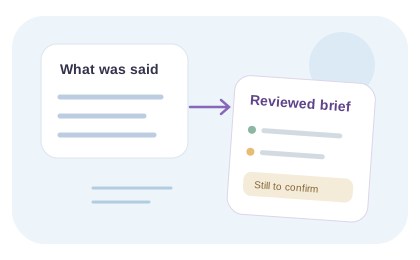
Read the transcript alongside the recording and sort the context into confirmed facts, your interpretation and unanswered questions. If the client says “possibly next quarter,” preserve that uncertainty. Do not turn it into a committed launch date.

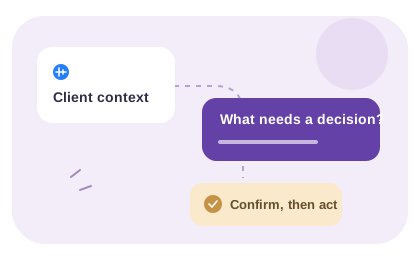
Before a proposal, confirm the outcome, decision maker and dependencies. Before discovery, bring the unresolved trade-offs to the call. VocalJet captures and transcribes the explanation; your team makes the qualification decision and writes the brief. Keep a written form for fields you need to compare across enquiries.

A reusable qualification note is: “Outcome sought: [client’s words]. Confirmed constraints: [facts]. Still unknown: [questions]. Next route: [clarify, discovery or proposal]. Reviewer: [name].” For a worked distinction between a launch target and a commitment, open the fictional Northstar intake.

Qualify the enquiry before choosing the solution

Voice client intake helps you qualify an enquiry before discovery or a proposal. Ask what needs to change, why it matters and who can decide. VocalJet records and transcribes the explanation; you decide whether to ask a focused question, arrange discovery or prepare a brief.

Use the review steps below with the recording and transcript. The judgments, written decisions and delivery handoff are your team’s work.

  1. Understand the reason

    Capture what the client wants to change and why it matters now.

  2. Check what is settled

    Separate confirmed constraints from suggested dates or possible features.

  3. Identify the decision maker

    Ask who can confirm the direction before treating it as agreed.

  4. Choose the next conversation

    Decide whether to clarify one point, arrange discovery or prepare a brief.

Inside VocalJet
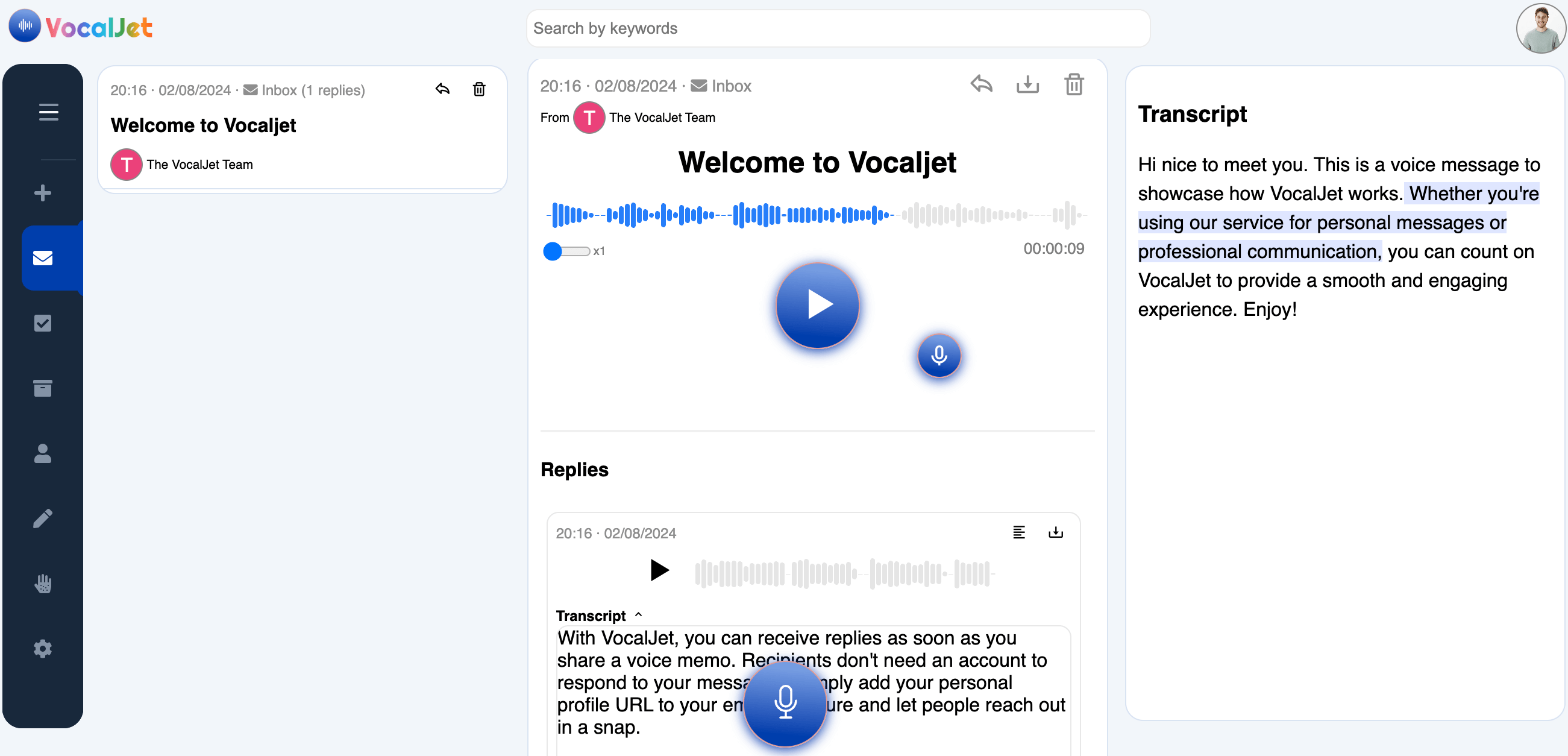
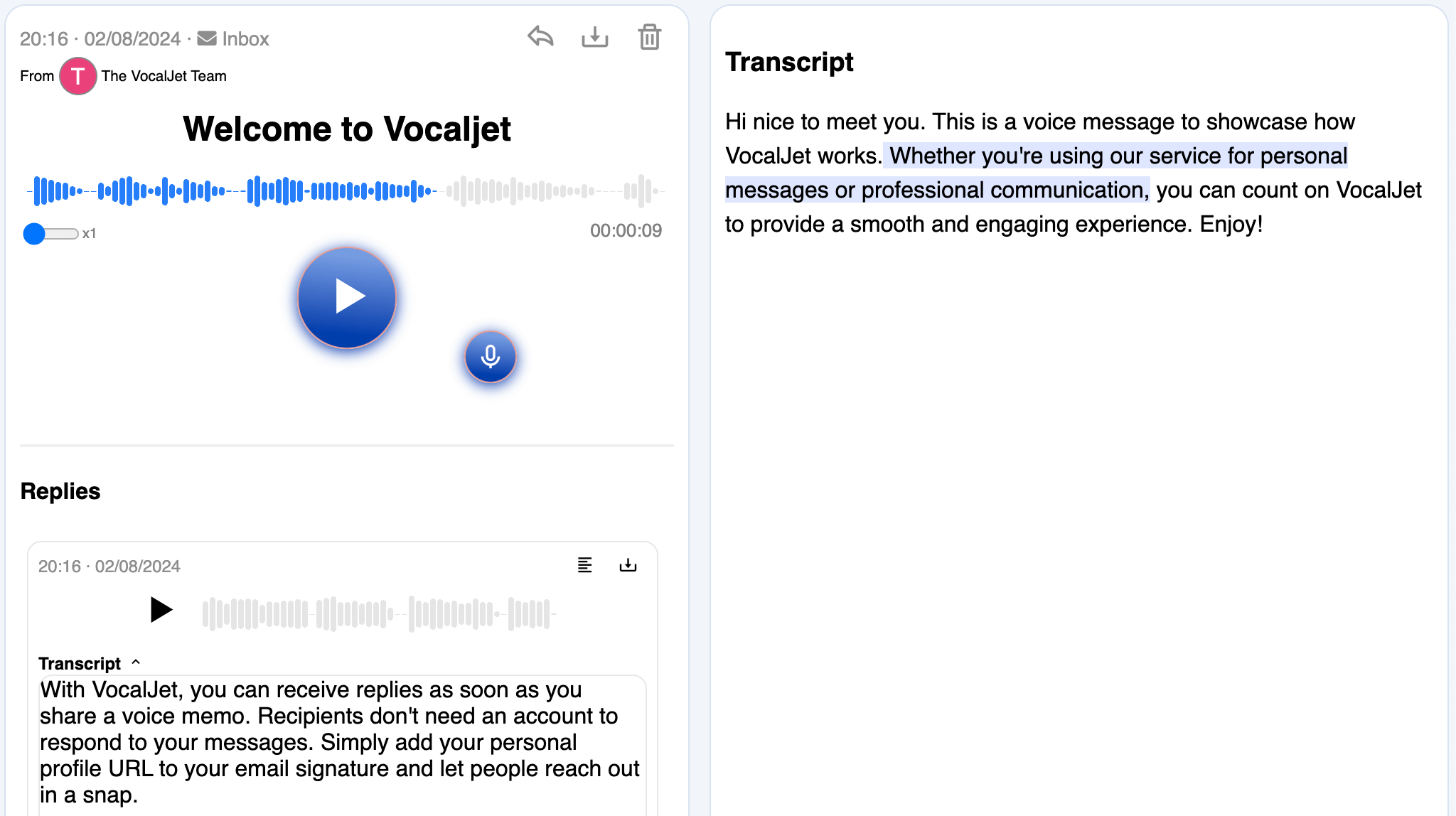
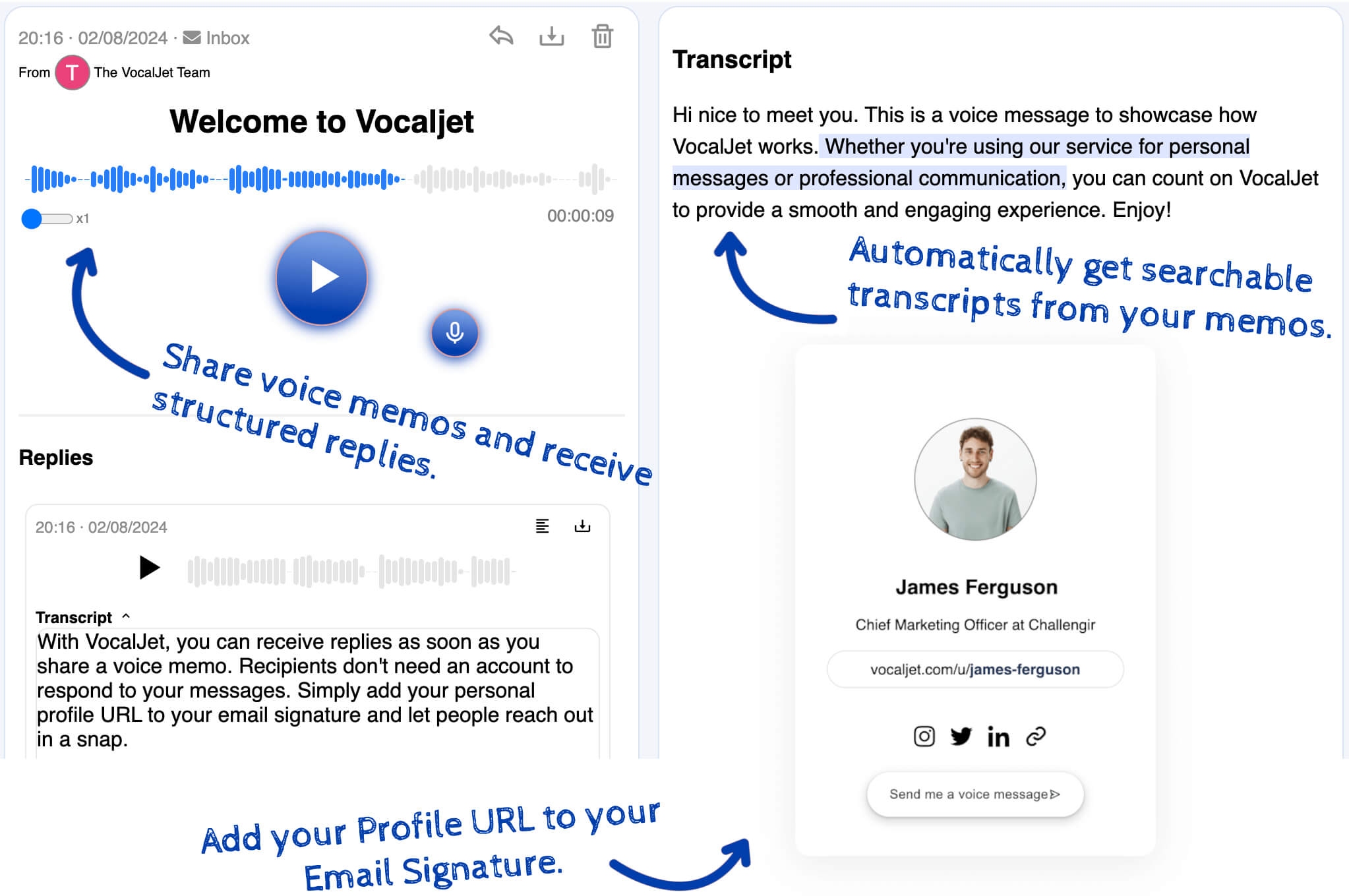
VocalJet welcome message with its transcript and reply in the app
App preview · recording, transcript and reply

How it works

  1. Invite the explanation

    Send your profile link with the project reference and the context you need before proposing work.

  2. Review the source

    Listen to the recording and check the transcript. Separate confirmed facts from assumptions and missing information.

  3. Choose the next conversation

    Prepare the proposal questions or discovery agenda, then confirm the brief with the client.

Built for

Service teams that need clear context before they commit time, budget or deliverables.

  1. Consultants

    Capture discovery context, stakeholder priorities and unanswered questions before a session.

  2. Agencies

    Collect client feedback and revision context without scattering it across inboxes.

  3. Freelancers

    Capture voice notes and transcripts; use your team’s review to create briefs, actions and follow-ups.

  4. Studios

    Clarify creative direction, scope boundaries and client expectations asynchronously.

Voice intake vs forms

A client intake form is efficient for simple requests. Voice intake is stronger when the work depends on context, constraints and judgment.

Decision guide: use voice client intake when a client prefers to explain the background aloud. VocalJet captures the recording and can transcribe it. Your team turns the checked context into a brief and confirms decisions with the client.

Intake method

Static form

Use when

The request is standardized and short

Risk

Check the question design and incomplete answers

Best next step

Keep the form and offer a separate voice link for explanations

Discovery call

Use when

The relationship or sale needs live conversation

Risk

Requires a shared time and a decision record

Best next step

Use VocalJet before the call to collect background context

Voice client intake

Use when

The client has nuance, constraints or unclear scope

Risk

Needs transcription and structure

Common questions

What should I decide after voice intake?

Decide whether enough is known to prepare a proposal, whether discovery is needed or whether one missing fact can be clarified first. A recording alone does not qualify the opportunity or commit you to delivering it.

What should I ask before a discovery call?

Ask what needs to change, why now, who is affected and what is already decided. Use the response to identify trade-offs for the call rather than asking the client to dictate a complete specification.

When should I keep a live conversation?

Keep a conversation when people disagree, the decision is sensitive or negotiation is needed. A checked voice response can supply background; it cannot resolve conflicting priorities by itself.

Do clients need an account to explain their request?

No. A client can send a message through a profile link or reply to a shared recording without a VocalJet account. They provide a name; email is optional. Keep exact project details in writing when needed.

What is the difference between intake and a brief?

Intake collects the source explanation. A brief is your reviewed statement of the goal, deliverables, constraints and open questions. VocalJet supplies the recording and transcript; your team prepares and confirms the brief.

VocalJet

Create your first voice intake link

Understand the reason behind a new enquiry before you propose a solution. Collect the explanation by voice, check the transcript and decide which conversation should happen next.

VocalJet app preview